
Search Results
UNLV University Libraries Collection on Nevada Mining
Identifier
Abstract
The Nevada Mining Collection is comprised of records that document mining and mines in Nevada from 1842 to 1966. The majority of the collection includes records of various mines and mining companies located in the Esmeralda, Lincoln, Clark, White Pine, and Nye counties, dating from 1900 to 1928. The collection includes financial, administrative, and business related records; photographs of miners, mining camps, and towns; correspondence; maps; newspaper clippings, pamphlets, newsletters, and booklets.
Archival Collection
Culinary Workers Union Local 226 Las Vegas, Nevada Photographs
Identifier
Abstract
The Culinary Workers Union Local 226 Las Vegas, Nevada Photographs document various activities of the Culinary Union, from the 1950s to 2006, with the bulk of the material documenting the 1990s. Prominently featured in the collection are various strikes, pickets, marches, parades, rallies, and demonstrations from the late 1980s to early 2000s. A large portion of these photographs documents the Frontier Strike of the 1990s. Also included are photographs of press conferences, political rallies, internal committee meetings, Hotel Employees and Restaurant Employees (H.E.R.E.) conventions, and various social events. Materials contain photographic prints, photographic negatives, and a small number of slides.
Archival Collection
Mo Denis (Nevada Legislature, Senator) oral history interview conducted by Magdalena Martinez: transcript
Date
Archival Collection
Description
From the Lincy Institute "Perspectives from the COVID-19 Pandemic" Oral History Project (MS-01178) -- Elected official interviews file.
Text
Vera Moore (True Beginnings/Divinity House) oral history interview conducted by Kelliann Beavers and Elia Del Carmen Solano-Patricio: transcript
Date
Archival Collection
Description
From the Lincy Institute "Perspectives from the COVID-19 Pandemic" Oral History Project (MS-01178) -- Community organization interviews file.
Text
Steve Sisolak (Nevada Governor) oral history interview conducted by Magdalena Martinez: transcript
Date
Archival Collection
Description
From the Lincy Institute "Perspectives from the COVID-19 Pandemic" Oral History Project (MS-01178) -- Elected official interviews file.
Text

Hernando Amaya oral history interview: transcript
Date
Archival Collection
Description
Oral history interview with Hernando Amaya conducted by Laurents Banuelos-Benitez, Marcela Rodriguez-Campo, and Barbara Tabach on October 18, 2018 and December 3, 2018 for the Latinx Voices of Southern Nevada Oral History Project. In this interview, Hernando Amaya talks about his childhood and education in Bogota, Colombia. He discusses his start in journalism as a young man and working for El Espectador, the Colombian national newspaper. He discusses his experiences reporting on the narco-terrorism occurring in Medellin, Colombia and how this eventually led to his immigration to the United States. Amaya moved to Las Vegas, Nevada in 2001 and continued his career in journalism by working for local Spanish speaking papers and websites. He relates his civic involvement in the Las Vegas area, his work as the president of the Colombian Association of Las Vegas, and various other civic engagements. As a journalist, he asserts the importance of knowing one's culture, storytelling, learning history, and being active in the community.
Text
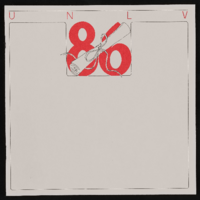
University of Nevada, Las Vegas (UNLV) 23rd commencement program
Date
Archival Collection
Description
Commencement program from University of Nevada, Las Vegas Commencement Programs and Graduation Lists (UA-00115).
Text
Tamika Shauntee (American Civil Liberties Union) oral history interview conducted by Kelliann Beavers and Elia Del Carmen Solano-Patricio: transcript
Date
Archival Collection
Description
From the Lincy Institute "Perspectives from the COVID-19 Pandemic" Oral History Project (MS-01178) -- Community organization interviews file.
Text